
 A friend of mine - a keen driver, who works hard to run his car and is proud of it - recently asked me to take a look at fuel prices in the current economic climate and see what I thought could be done to get those prices down.
Well I teamed up with a friend of mine with more economic know-how then me and he made me some bullets I should consider. This I have done, and here are my responses to the advice and facts presented.
Firstly, what was I asked to look at?
"how and why they [fuel prices] will lower and how long we will have to wait"
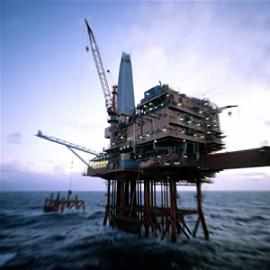
The first big point you need to think about in terms of fuel is that prices are tied directly to available supplies. If there is a high demand for a commodity and a finite or set amount that can be produced then the higher demand rises then the price per unit will go up too. So for a really big cut in fuel prices - and I'm talking about petrol, diesel and all crude-oil derivatives you need to locate a large supply of untapped oil, get it known about and get it pumped out of the ground. I can't really see this happening without defiling some beautiful landscape or having to spend over the odds accessing very hard-to-reach, but plentiful oil reserved.
So we need to therefore decrease the demand for oil. Therefore prices will move in an opposite direction to the scenario above, that if there is less demand, prices will drop to keep the custom. Best way of doing this is to invest in alternative fuels - hydrogen power cells for cars, LPG, solar and nuclear. But considering progress in making any of these viable and available very soon hasn't been as fast as we really needed, do not expect a "magic bullet" in this form to appear for a while.
Short term solutions to economic conditions such as taxing oil companies or energy providers for their massive gains (windfall taxes) will not work in a prolonged period as companies - being private entities that live to please their shareholders - will simply raise prices to cover the offset of a tax hike. So this may be a national economic gain form increased tax revenue but personal finances - mums and dads who pay for fuel weekly and only now can make ends meet will face a tougher challenge.
However, a government can increase popularity in a short term basis by following the China model and supplying the distributors of petrol so that forecourt prices at the cutting edge are lowered. But this doesn't address the intrinsic problem of the West's oil addiction; reduce this and costs will come down on their own without the need for governments to mask it though expenditure on their part.
My own thought that is if governments do this, surely national taxes rise to fund this?
The conclusions therefore we can garner are that the most effective ways of reducing overall oil prices are hence:
- Fund alternative fuel sources quickly and get them to consumers quickly. These will give oil as a fuel competitiveness and reduce overall demand for oil.
The bottom line is simple here:
Heavy research now into these alternate fuels to wean the West off crude oil while at the same time making short term investments to lower prices for consumers. It's a long wait unless we take steps as a country and as a world now.
If anyone is wondering what the next 'magic bullet' will be, James May did a show about new energy sources.
ReplyDeletehttp://www.bbc.co.uk/iplayer/episode/b00f085h/James_Mays_Big_Ideas_Power_to_the_People/
Be warned, it's full of eco-warrior scientists.